DEPARTMENT OF ELECTRICAL AND ELECTRONICS ENGINEERING
About the Department
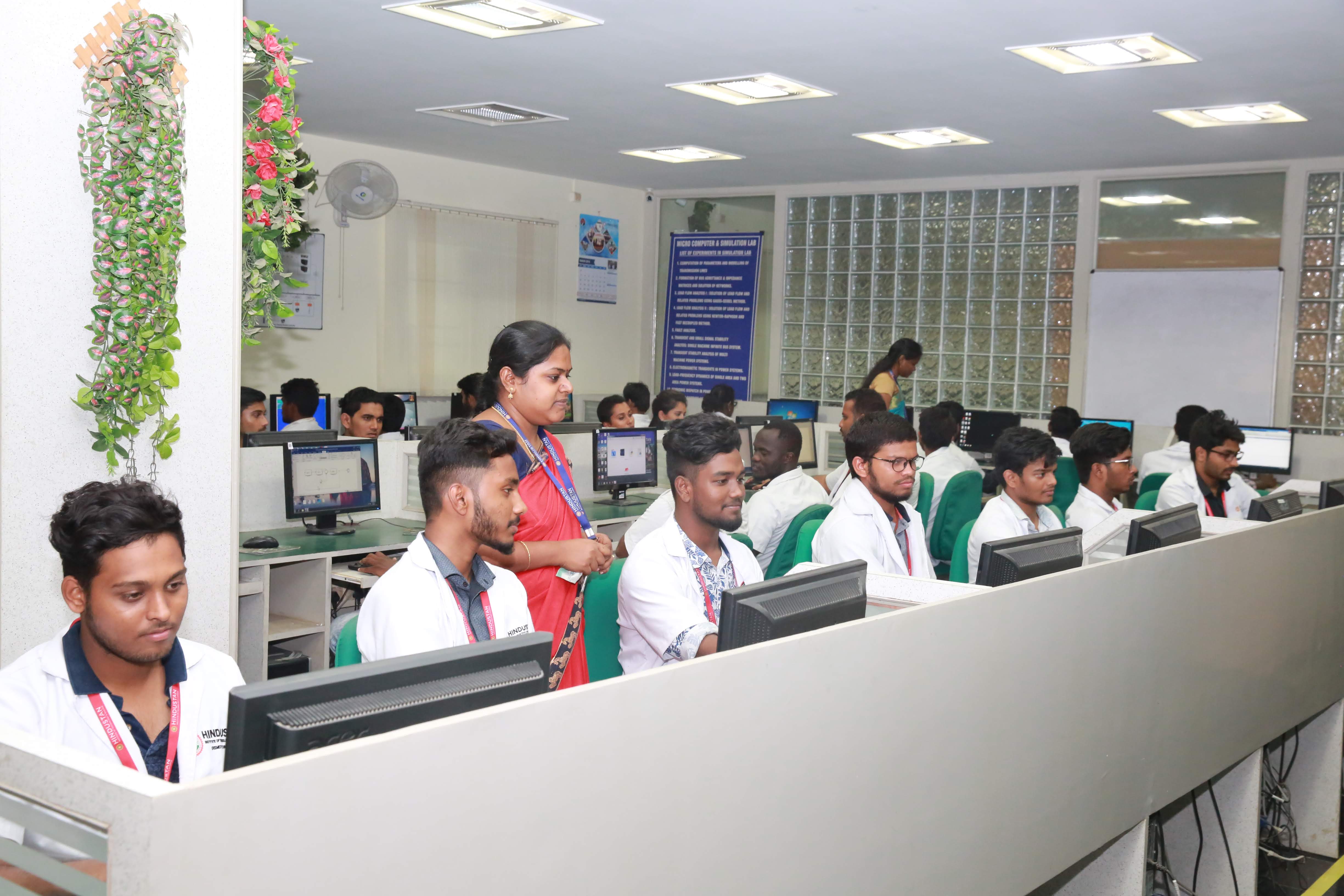
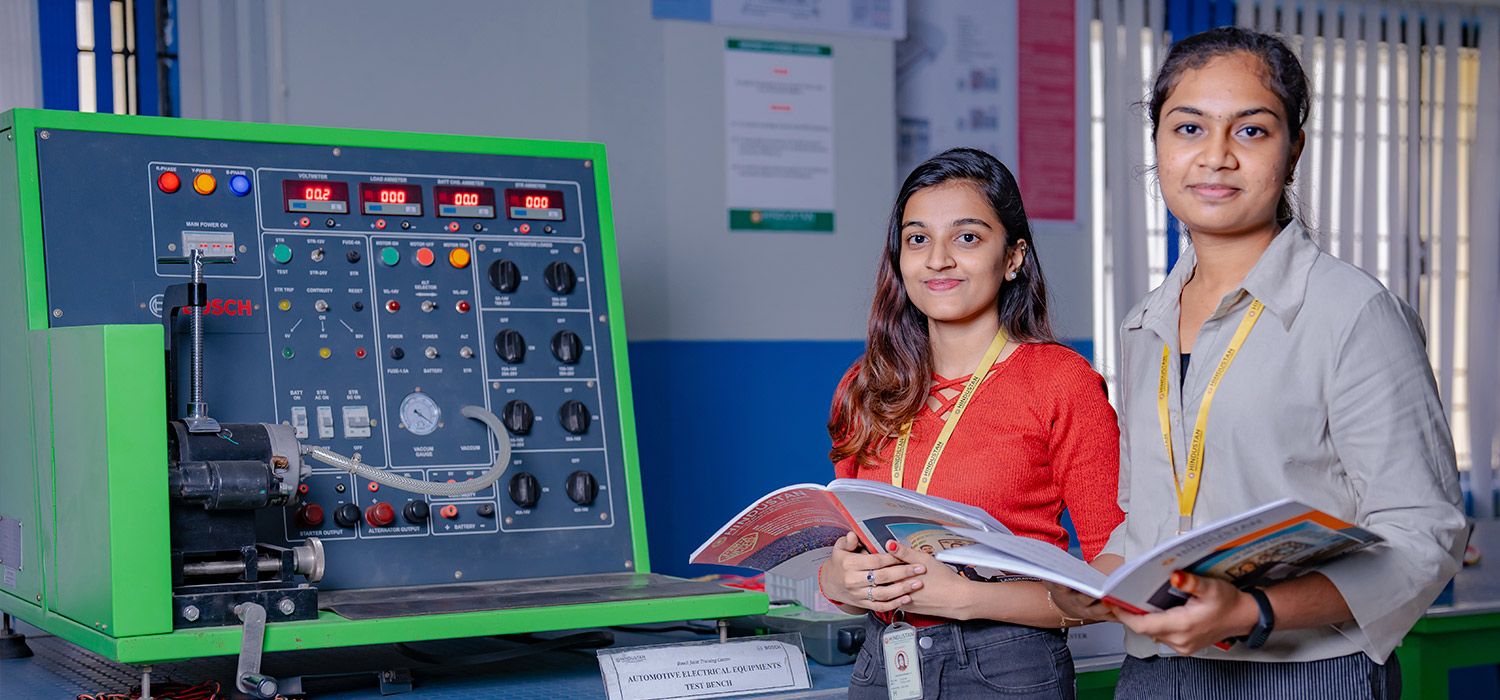
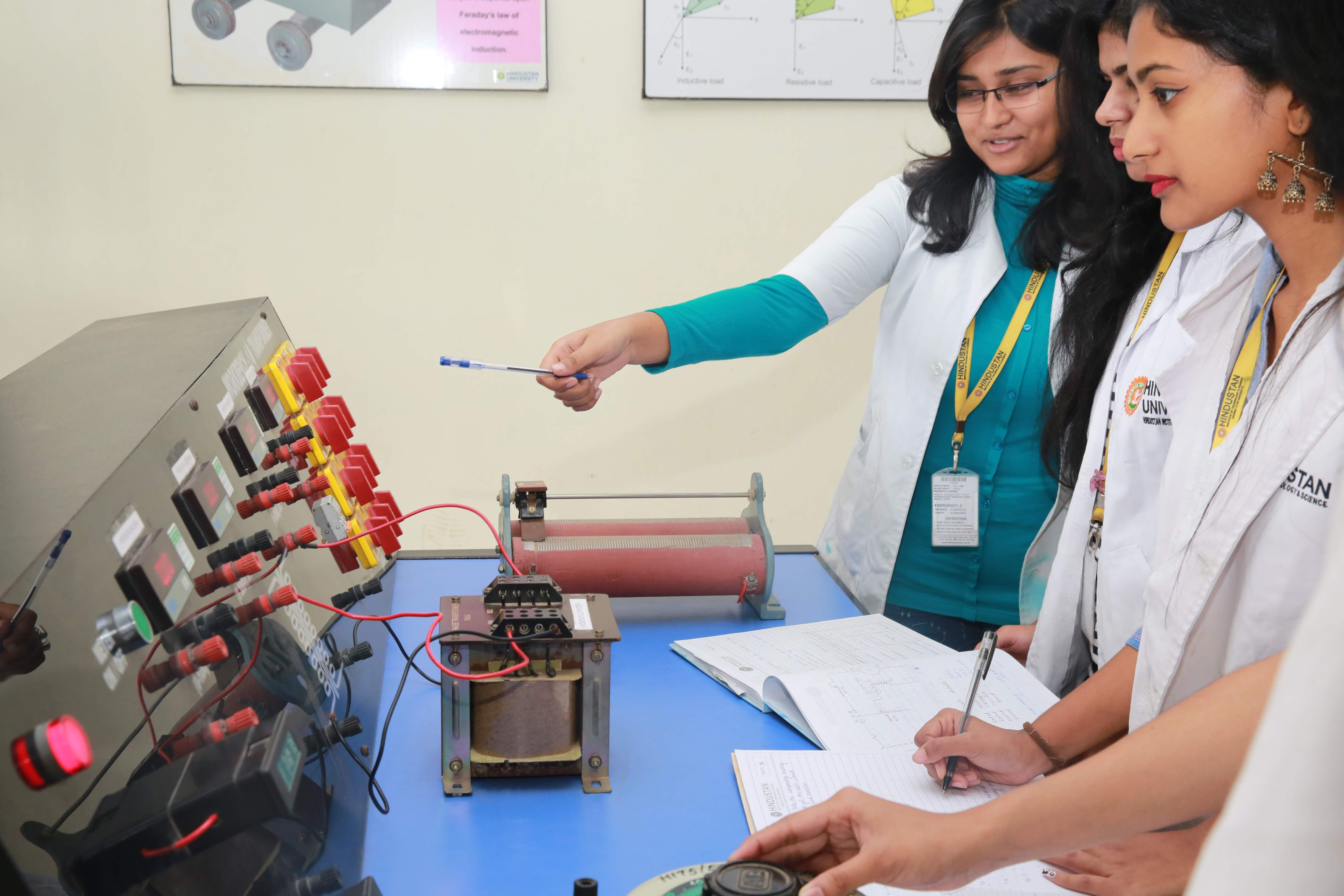
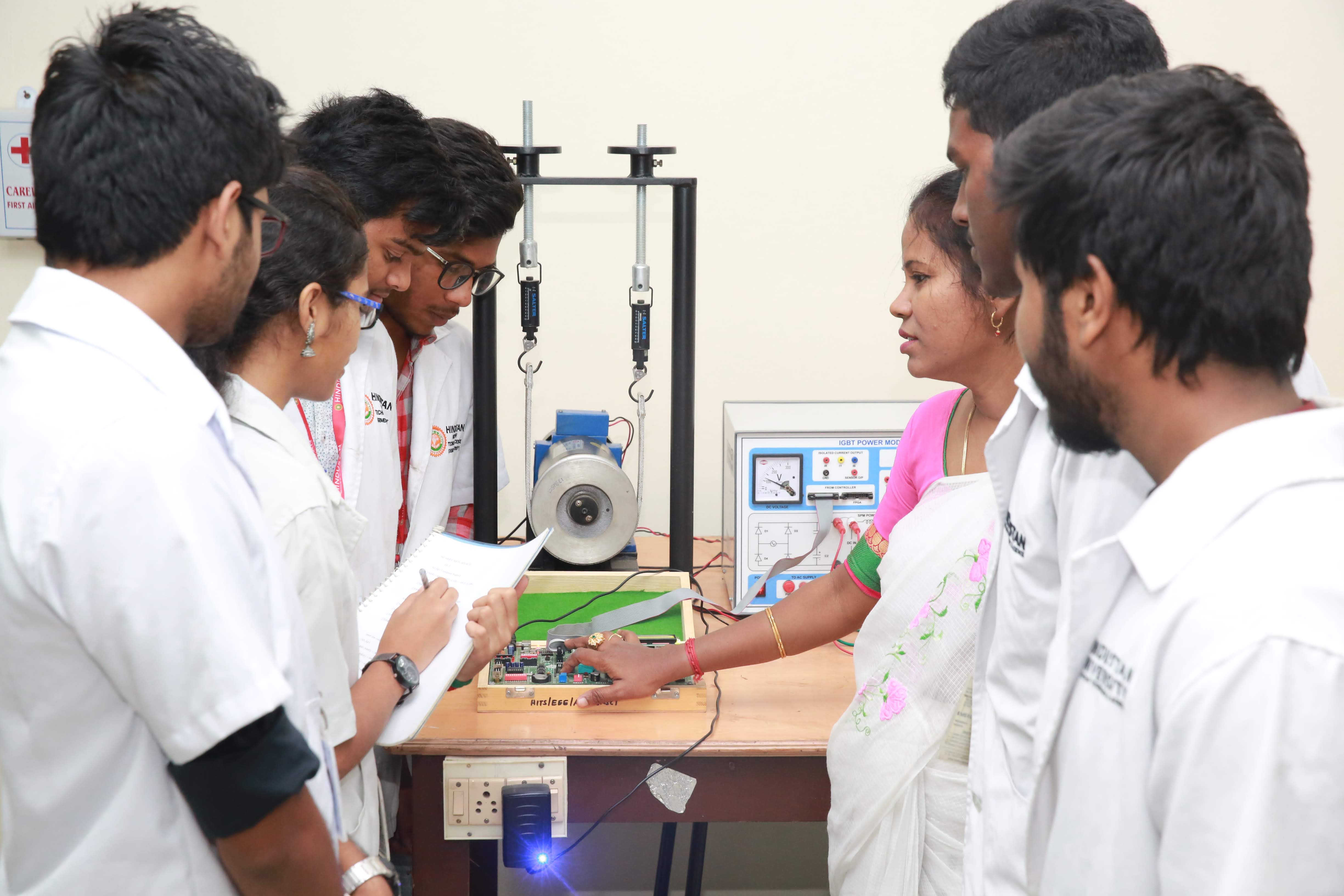
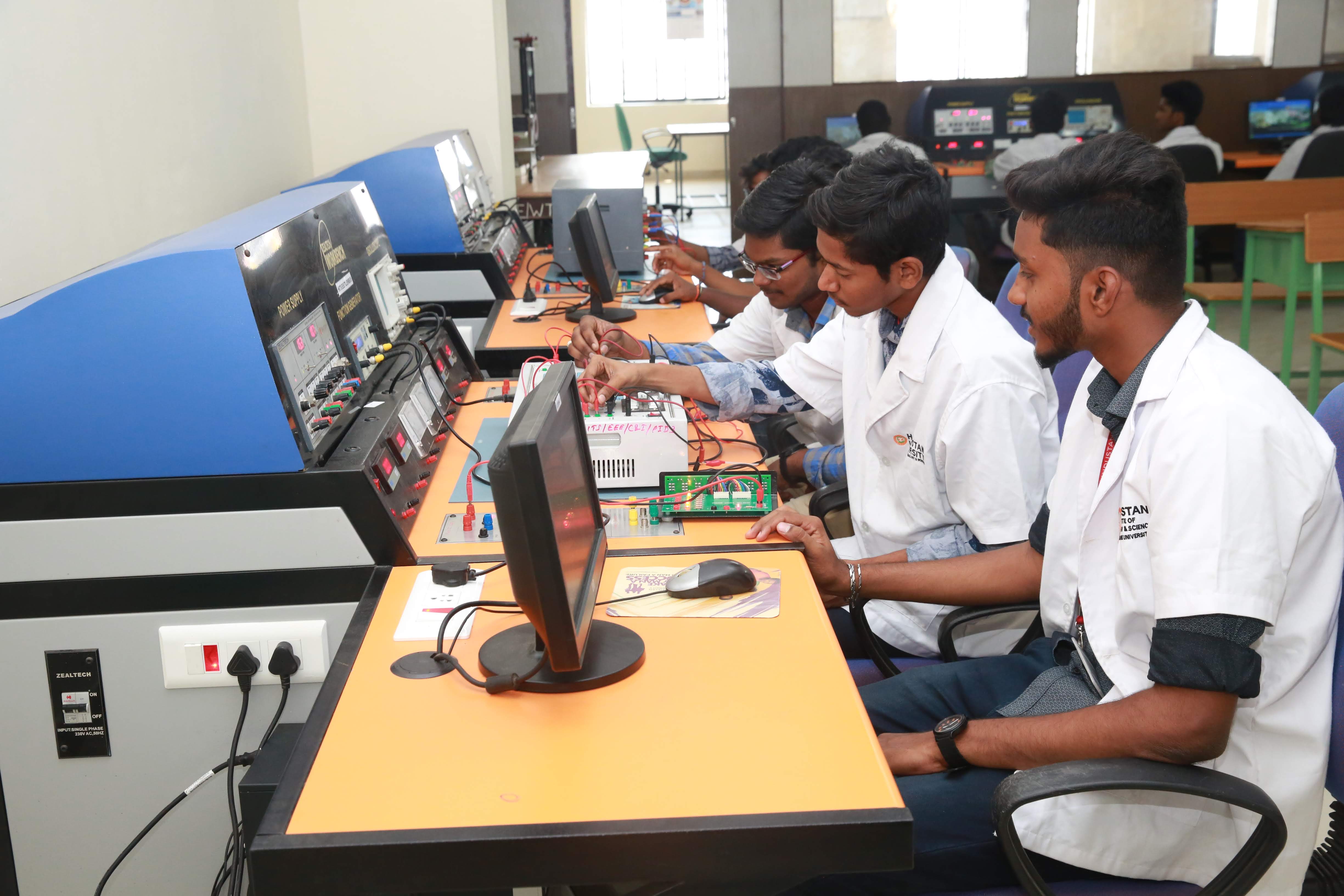
The Department of Electrical & Electronics Engineering established in the year 1992, has a long-standing tradition of excellence. The Electrical and Electronics Engineering department offers B.Tech in Electrical and Electronics Engineering, M.Tech in EEE with specialization in Smart Grid and Electric Vehicle Technology and PhD programs. The department is multi-disciplinary with faculty expertise ranging from power electronics, power systems, embedded systems, control systems, and applied electronics. The department regularly organizes activities and events to enhance the quality of education and upgrade the skills of faculty and students. The department has well established laboratories as well as good infrastructure to carry out research.
The B.Tech. (Electrical and Electronics Engineering) programme is accredited by the National Board of Accreditation (NBA), India, and the Institution of Engineering and Technology (IET), UK, reflecting its commitment to delivering high-quality engineering education that meets national and international standards.
The department strives to develop as a centre of excellence in R&D in the field of Electrical and Electronics Engineering. The department has one on-going International funded project in collaboration with University of Leeds, UK and Royal Academy of Engineering, UK. In addition, the department has 9 Funded Research and consultancy projects worth 2.0 crores from major National funding agencies. Six patents are granted and four patents are published by our faculty. We provide innovative solutions to industries and focus on innovative product development.
In recent years, the development of new technologies like electric vehicles, smart grid, nanotechnology applications, have opened numerous opportunities to electrical engineers. Electrical and Electronics Engineering is a major contributor in the field of mechatronics, sophisticated smart vehicles and manufacturing sector. Electrical engineers can contribute to the interdisciplinary areas that require blending of mechanical engineering, control engineering, computer engineering, communications and electronics. The future developments in the industry are also predicted to be along similar lines.





 Admissions 2026
 Academics
 Research
 Library
 International Student Services
 Student Affairs
 Placements
 Pay Fees Online
 Careers
 ERP
ERP